Economic Foundations
This work does not emerge in isolation. My approach has been shaped by economists and historians who focused on monetary architecture, institutional incentives, and monetary regime change - often well before such ideas entered mainstream discussion. What follows is not an endorsement of every conclusion, but an outline of the intellectual frameworks that have influenced how I analyse systemic change beyond what I was simply taught within my undergraduate studies.
History as System Logic
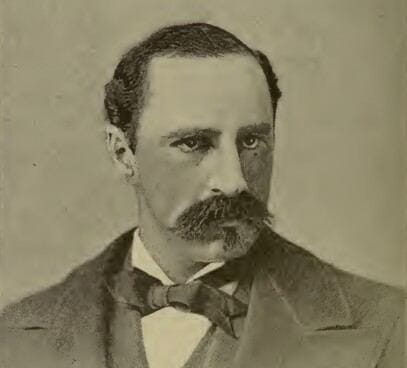
Alexander Del Mar, a nineteenth-century economist, geologist, and monetary historian, produced some of the most penetrating analyses of money and power ever written. His work exposes how monetary systems are shaped by political incentives and institutional advantage rather than neutral economic necessity. Del Mar’s insights remain invaluable for understanding the persistent distortions and asymmetries embedded in monetary authority.
Monetary Architecture & Regime Change
Paul Einzig recognised the growing academic shift in favour of floating exchange rate regimes in the 1960s and warned of its consequences well before the so-called “Nixon Shock.” He anticipated many of the excesses that would emerge in the fiat era, arguing that removing monetary constraints would increase instability rather than eliminate it. His works, The Future of Gold (1934) and The Case Against Floating Exchange Rates (1970), remain highly relevant today. Einzig’s analysis demonstrates that those who study monetary structure can prepare calmly and rationally, long before disruption becomes obvious.

Institutional Power & Political Economy
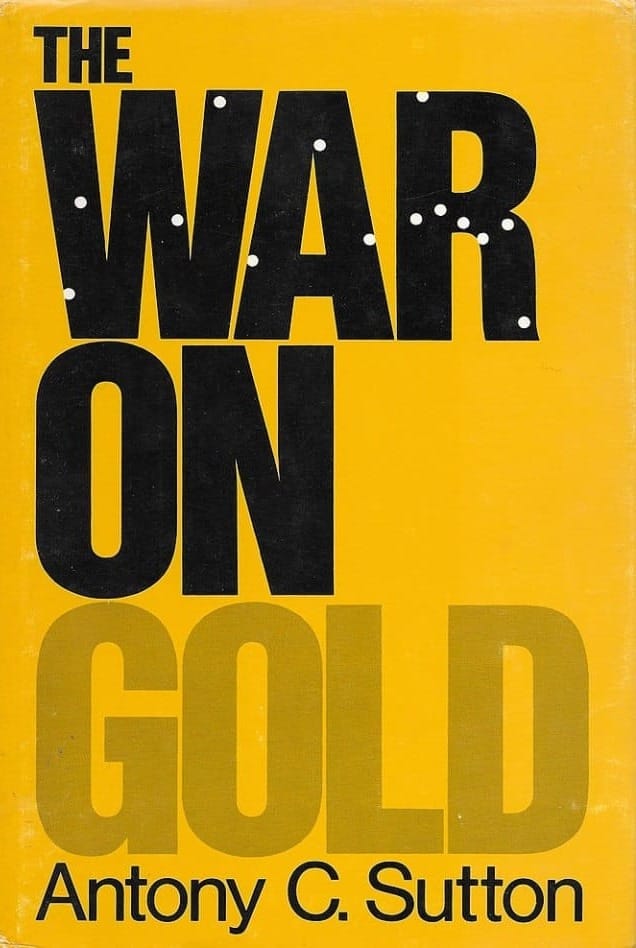
Antony Sutton’s The War on Gold remains foundational in shaping my understanding of how major monetary changes occur through gradual, incremental processes rather than sudden breaks. His broader body of work reinforced the importance of examining institutional power, incentives, and long-term strategy when analysing economic change.
Credit Creation
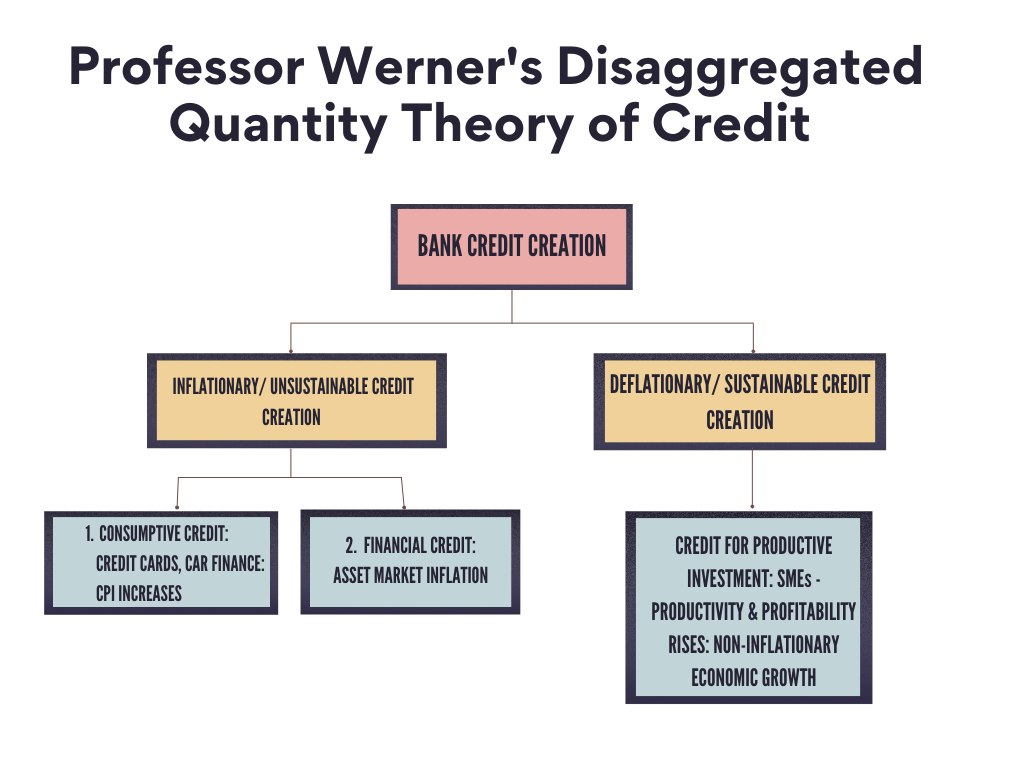
Professor Richard Werner’s empirical research, and his formulation of the disaggregated quantity theory of credit, provided a crucial confirmation to me that we live in a centrally planned economic system. His work demonstrates that credit creation is directed and institutional, revealing the extent to which modern economies are effectively managed through the banking system rather than governed by abstract market forces as conventional politicians & economists would rather you believe.